
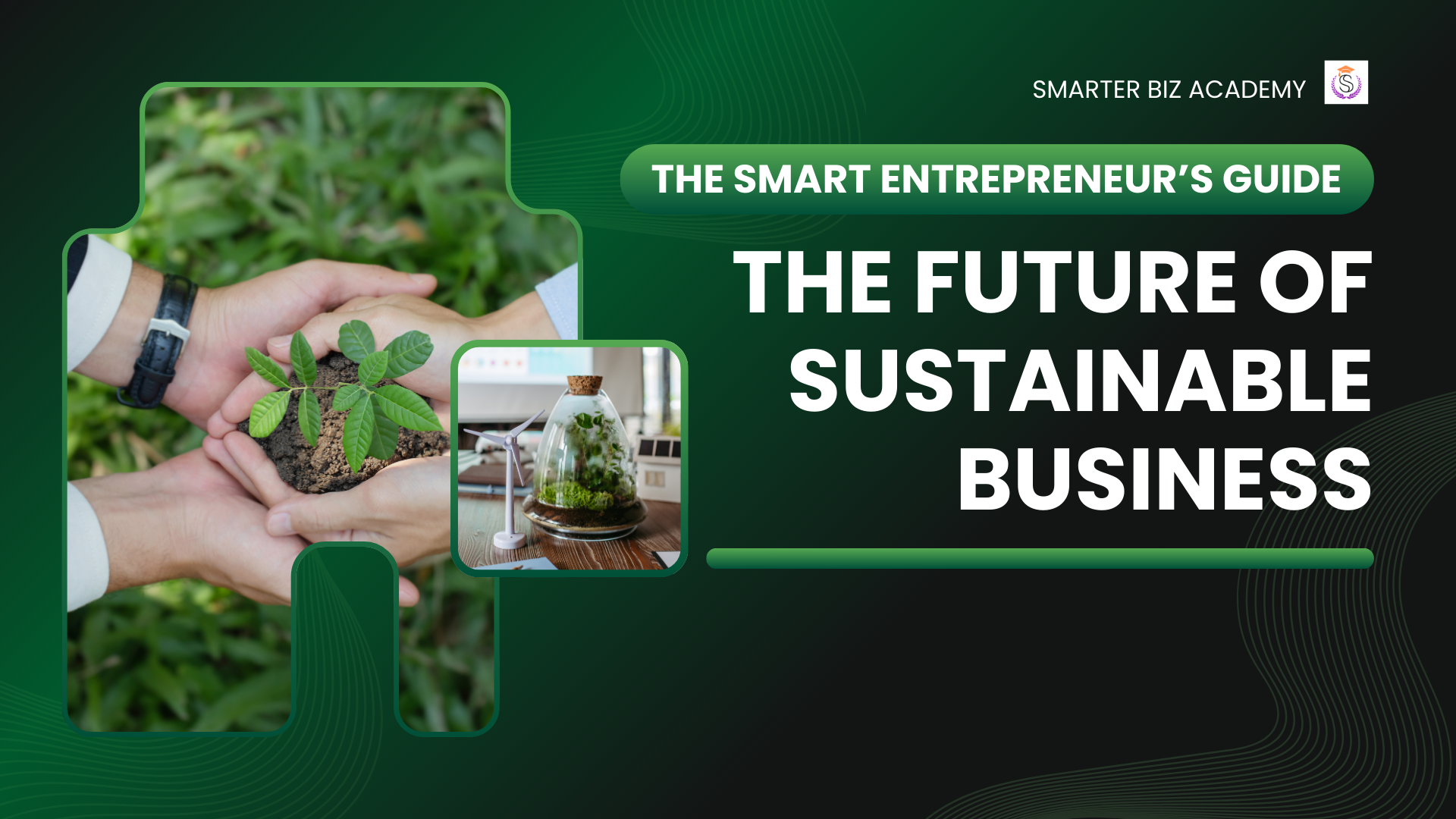
Sustainability isn’t just good ethics—it’s good business. Modern entrepreneurs are realizing that aligning profit with purpose gives them a long-term competitive edge. This guide outlines five actionable steps to make your business more eco-friendly, socially responsible, and future-ready.
⸻
Introduction
In today’s rapidly shifting global economy, sustainability has evolved from a trend into a business imperative. Consumers now favor brands that care about people and the planet, while investors increasingly seek companies that deliver both profit and purpose.
Entrepreneurs who embed eco-conscious and socially responsible practices into their business models attract loyal customers, motivated employees, and impact-driven investors—creating a win-win for business and society.
Here’s how you can make your business more sustainable and impactful starting today. 🌍
⸻
1. Define Your Sustainability Goals
Every sustainable journey begins with clarity. Define specific, measurable sustainability objectives that align with your company’s mission.
🎯 Examples of goals:
• Reducing carbon emissions or waste
• Improving employee well-being
• Supporting local or ethical suppliers
• Integrating circular economy principles
🧰 Useful Tool for Entrepreneurs:
• UN Sustainable Development Goals (SDGs) – Use these 17 global goals as a framework for aligning your business initiatives with global sustainability standards.
⸻
2. Conduct a Sustainability Audit
You can’t improve what you don’t measure. Conducting a sustainability audit allows you to evaluate your current footprint and uncover areas for growth.
🔍 Audit focus areas:
• Energy and water usage
• Supply chain ethics
• Packaging and materials
• Employee engagement and well-being
🧰 Useful Tool:
• B Impact Assessment by B Lab – A free, comprehensive tool that measures your company’s environmental and social performance and benchmarks you against sustainable leaders.
⸻
3. Implement Sustainable Practices
Now it’s time to take action. Once you identify key improvement areas, start integrating sustainability into your daily operations.
🌿 Practical Ideas:
• Switch to renewable energy providers like EnergySage
• Offer remote or hybrid work options to reduce commuting emissions
• Choose eco-friendly packaging from Noissue or EcoEnclose
• Partner with local or fair-trade suppliers
• Eliminate single-use plastics from your supply chain
⸻
4. Engage Your Stakeholders
Sustainability works best when everyone is involved. Engage your employees, customers, investors, and suppliers in your green mission.
🤝 Engagement strategies:
• Create internal “green teams” to drive initiatives
• Communicate sustainability efforts transparently
• Partner only with vendors that align with your values
• Offer incentives for customers to make sustainable choices
🧰 Useful Tool:
• SurveyMonkey – Collect employee or customer feedback on sustainability initiatives to improve engagement and impact.
⸻
5. Measure and Monitor Progress
Sustainability isn’t a one-time campaign—it’s a continuous journey. Set key performance indicators (KPIs) to measure your results, such as energy reduction, waste diversion, or social impact scores.
📈 Pro Tip:
Use analytics and dashboards to track your performance and report progress transparently.
🧰 Useful Tool:
• Greenly – Carbon accounting and sustainability tracking software for small and medium-sized businesses.
⸻
🌟 Final Thoughts
Building a sustainable business is no longer optional—it’s essential. Entrepreneurs who embrace sustainability gain long-term brand loyalty, cost savings, and market differentiation.
By defining goals, auditing operations, implementing eco-friendly solutions, engaging stakeholders, and measuring results, you’ll future-proof your business while contributing positively to the planet.
⸻
💌 Want to Grow an Ethical & Profitable Business?
Join our email list and get weekly insights, sustainability tools, and growth strategies for impact-driven entrepreneurs.
👉 Subscribe Now to start building a business that drives change—and success.